
The Politics Of Survival
World War ZThis flow traces how wartime leadership preserves democratic institutions while using coercion against internal enemies.
increasing Bearing strength in each event
 decreasing
Bearing strength in each eventdecreasingEmergency Power
Emergency Power
Crisis
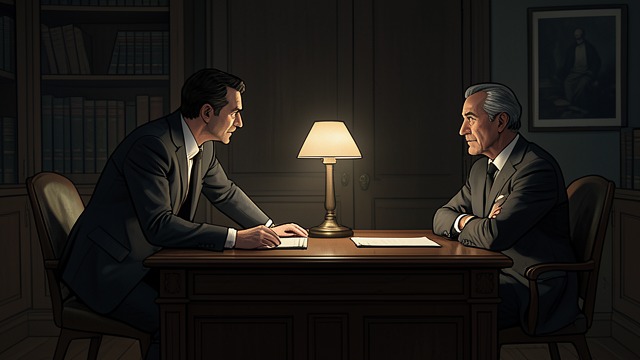
The United States faces a ruined mainland, refugees, and a displaced government.
Temptation
The vice president argues that elections are too slow for national survival.
Choice
The president rejects emergency dictatorship as a betrayal of national purpose.
Democratic Continuity
Democratic Continuity
Principle
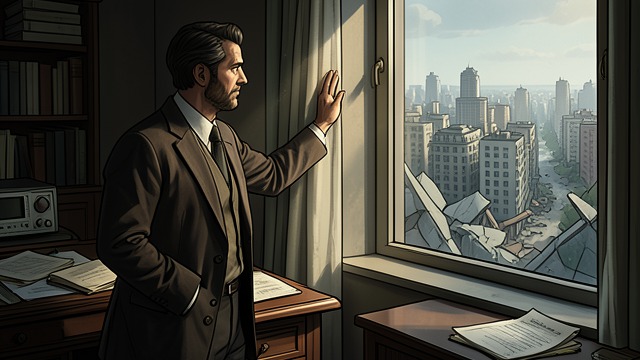
The president argues that ideals are all the country still possesses.
Risk
Political legitimacy must survive even when physical institutions are displaced.
Meaning
Democracy becomes a survival technology, not a luxury for peaceful times.
Public Punishment
Public Punishment
Scarcity
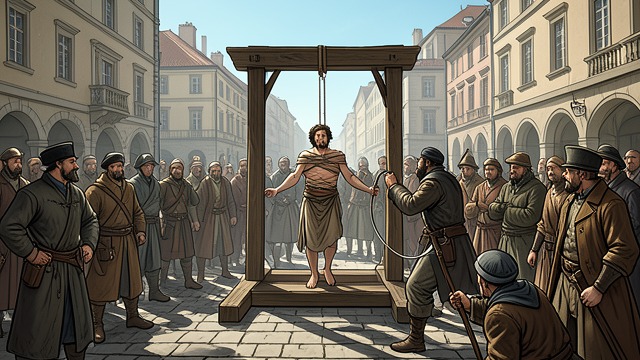
Prisons cannot absorb thieves and looters when every able body is needed.
Policy
Stocks, lashes, and work gangs replace long incarceration.
Ambiguity
The system deters crime while exposing the danger of efficient cruelty.
The Separatists
The Separatists
Rebellion
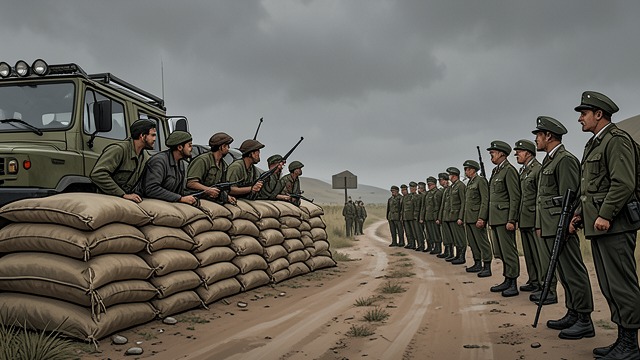
American secessionists challenge the government during national collapse.
Distinction
Leaders separate active rebels from abandoned enclaves that merely want autonomy.
Response
The government offers peaceful reintegration where possible and force where necessary.
The Cost Of Leadership
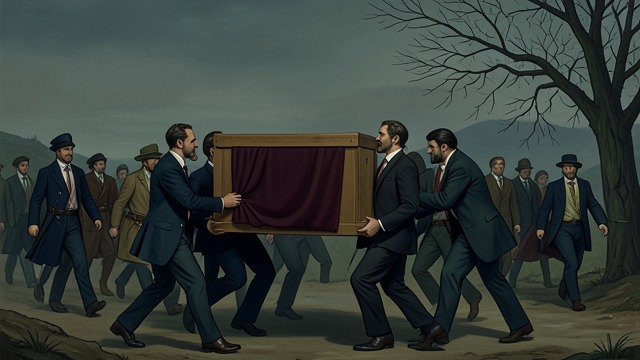
The Cost Of Leadership
Burden
The president dies after carrying national survival through war and reconstruction.
Memory
The Whacko remembers him as a great man rather than a perfect one.
Lesson
Leadership is measured by what it refuses to sacrifice, not only by what it wins.
during the Hawaiian government relocation
during the wartime election debate
during emergency reconstruction
during the western safe-zone crisis
after the president’s death
